A Shift in Investment in Germany: Focus on Infrastructure and Innovation
15th of June 2026
Frankfurt EURO FINANCE Summit 2026
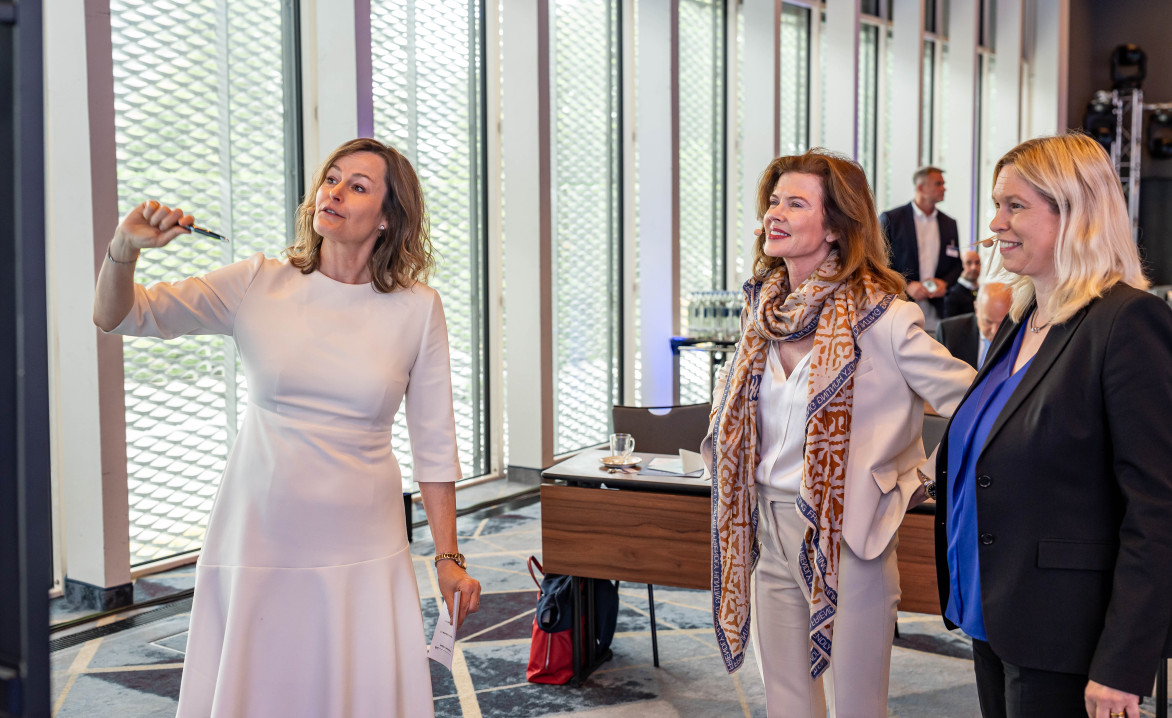
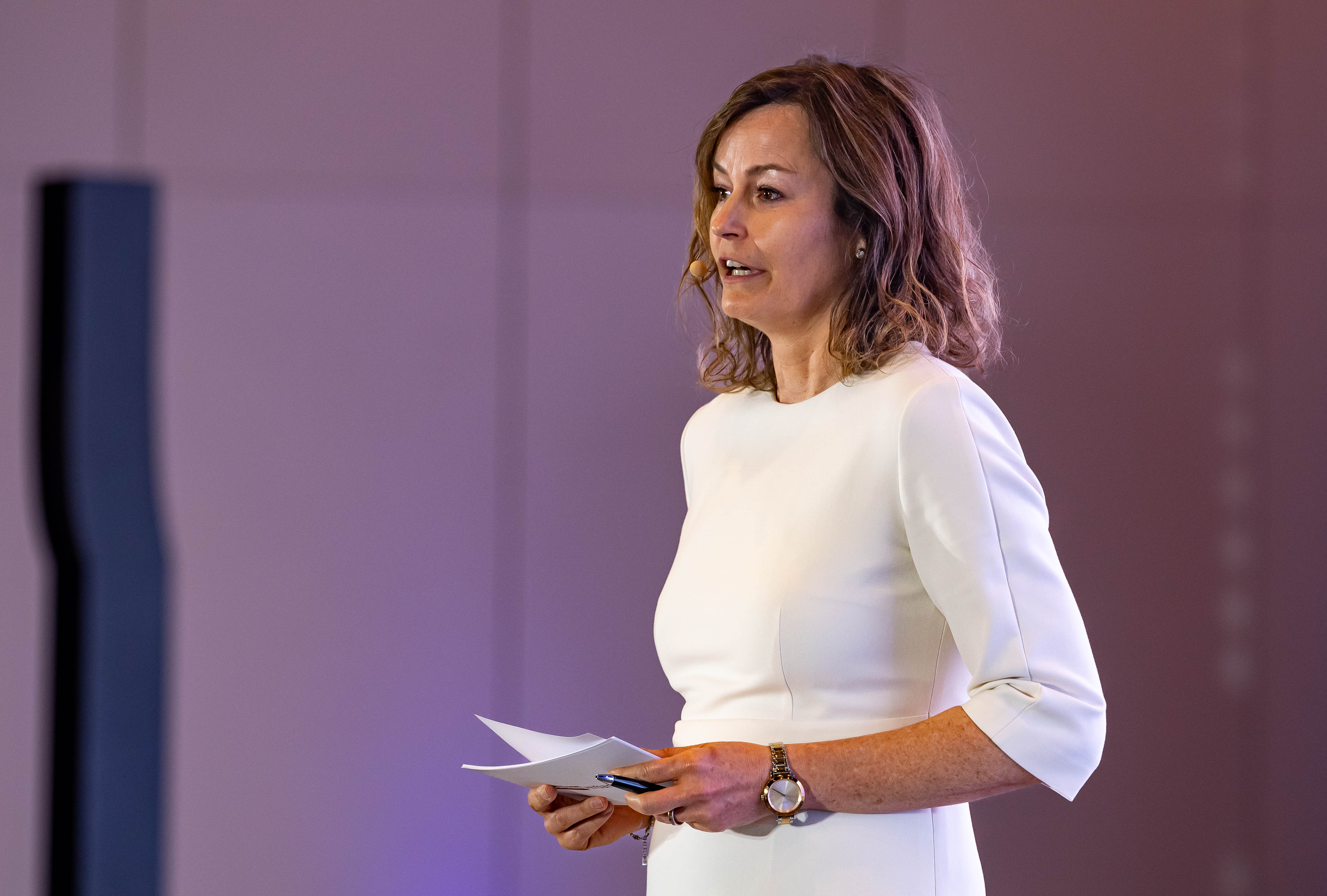
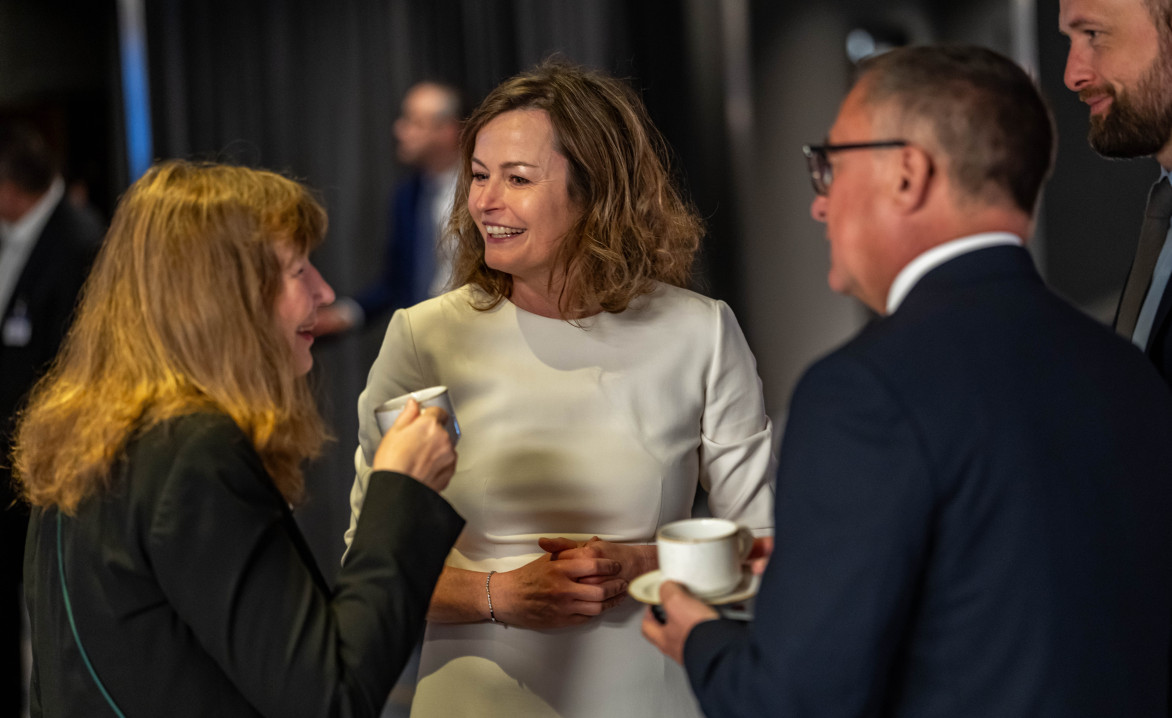
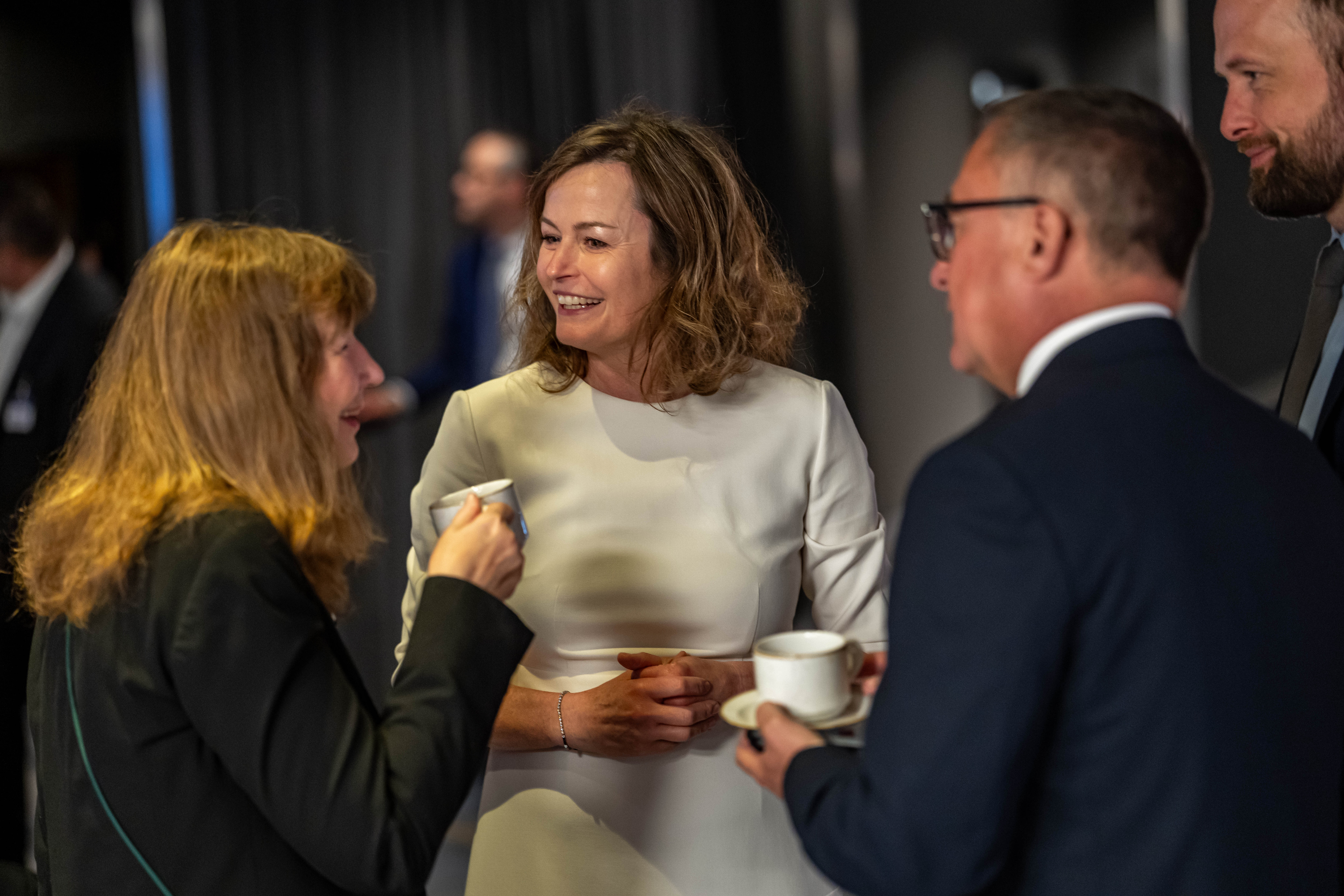
The Frankfurt EURO FINANCE Summit focused on two key questions: How can Germany achieve a shift in investment, and what is needed to ensure that planned investments translate into genuine sustainability?
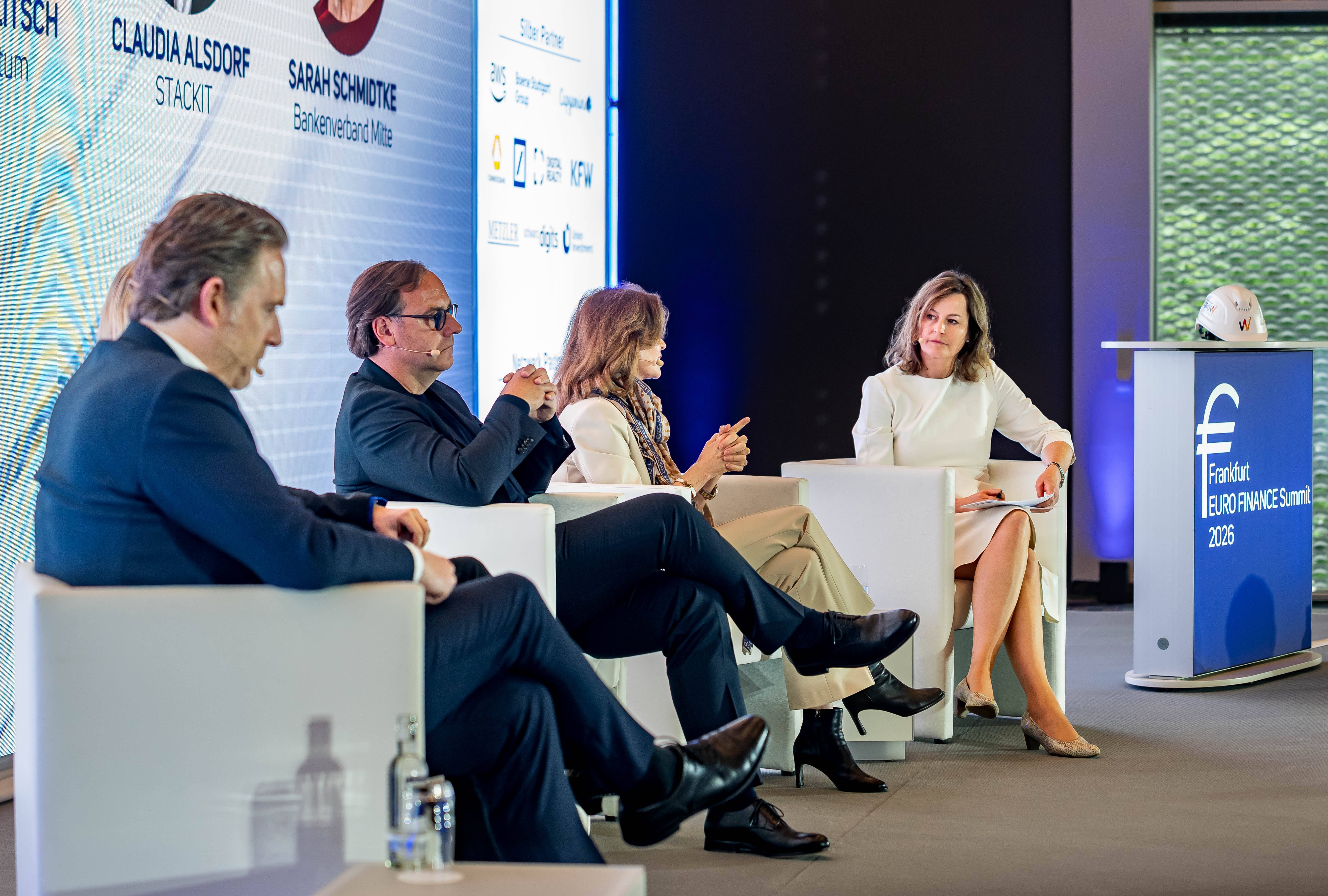
In two panel discussions, we spoke with representatives from the business community, the financial sector and the fields of infrastructure and innovation about specific challenges and potential solutions. The discussions centered on two critical areas of action: infrastructure and innovation.
Infrastructure: From the Toolbox to Implementation
Germany needs to build: roads and railways, energy and data networks. Above all, however, Germany must build its future viability.
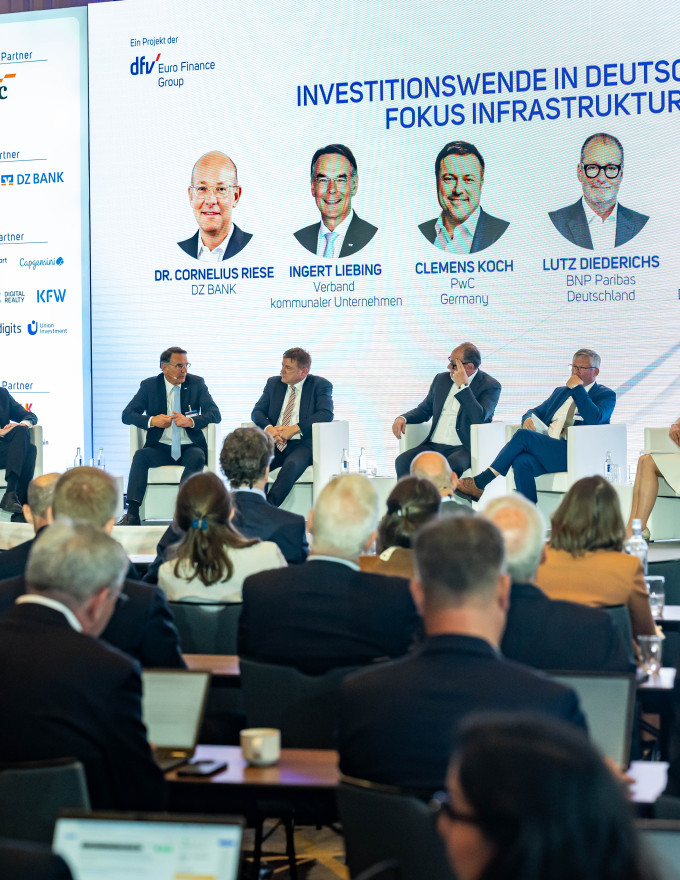
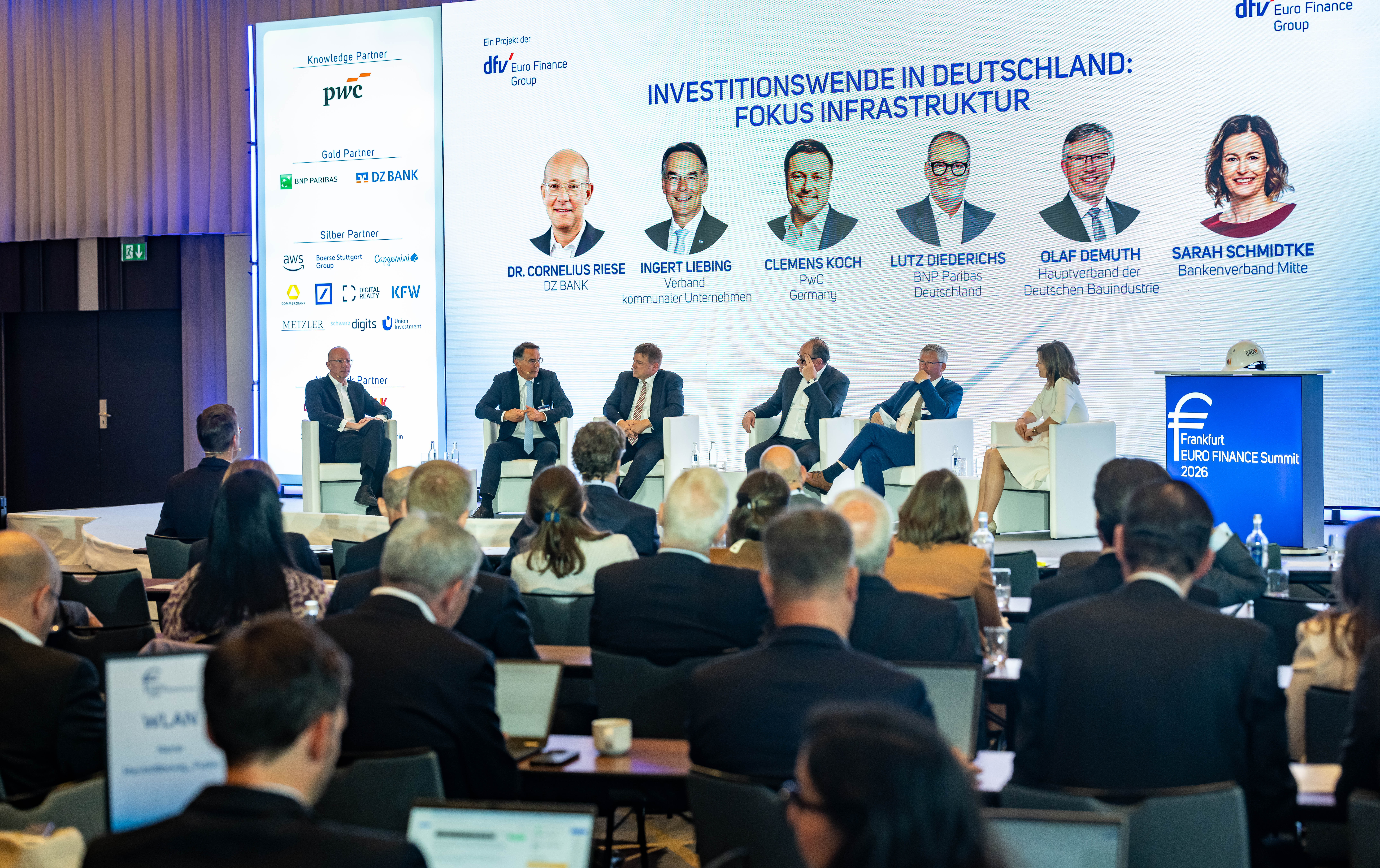
During the panel discussion on “The Investment Turnaround in Germany with a Focus on Infrastructure” it became clear that the special fund offers important financial opportunities and is akin to a comprehensive toolbox. However, tools alone do not drive progress. What is crucial is a clear plan, faster procedures, and consistent implementation.
Key topics of the discussion included faster planning and approval processes, capacity shortages among skilled workers and engineers, greater pragmatism and more reliable framework conditions that extend beyond legislative terms. Greater involvement of private capital was also highlighted as an important lever for actually meeting the enormous investment needs.
An important point raised during the panel discussion: It is not enough to simply provide funding. It must also be clear which projects are moving forward with that funding, where progress is being made, and how Germany can once again step up its implementation efforts. This requires more high-profile communication initiatives and visible success stories that build trust and convey a sense of new beginnings.
The panel's conclusion: Only if implementation is successful will the planned shift in investment become a genuine turning point for the future.
Innovation: Invest Differently, Scale Faster
The second panel, titled “The Investment Turnaround in Germany: Focus on Innovation” also addressed the question of how Germany and Europe can become more sustainable. It became clear that while Germany has good research, bright minds and available capital, these are not enough if scaling, speed and the right framework conditions are lacking.
Germany and Europe must not only invest more, but also invest differently: in digital infrastructure, artificial intelligence, digital sovereignty and quantum computing. At the same time, we need processes that give young, innovative companies genuine access to the market.
This was particularly evident in the case of public and private procurement. When established suppliers are favored too often, young companies with great growth potential fall behind. Innovation therefore requires not only capital, but also trust, entrepreneurial thinking, and the courage to put ideas into action.
Other key topics of the discussion included the importance of digital sovereignty, stronger European capital markets, innovation-friendly regulation and the translation of excellent research into marketable business models. Germany has a strong research landscape, particularly in future technologies such as quantum computing. It will be crucial to translate this into industrial strength and scalable business models more quickly.
👉 Anyone who wants to shape Germany's future must therefore not only invest, but above all think innovatively.
Capital, Speed, and Trust: The Keys to Success
Both panels made it clear: The shift in investment is more than just a matter of financing. It is a matter of implementation, structure, and trust.
For Germany to become faster, more modern, and more competitive, it needs clear priorities, reliable framework conditions, a stronger focus on capital markets, less complexity and more courage to break new ground. Infrastructure and innovation go hand in hand: Only by specifically strengthening both areas can investments lead to sustainable future viability.
Special thanks go to all the panelists for their clear insights, candid remarks, and concrete ideas, as well as to Andreas Scholz and Meike Katharina Buchholz, who, with great dedication, created a strong platform for exchange, perspectives and concrete solutions.